Broke, Not Bored: Your Wallet-Friendly Onramp to Tabletop RPGs
Somewhere along the way, tabletop RPGing picked up a reputation as an expensive hobby. Walk into any game store in Austin or Portland and you'll see why: shelves of hardcover tomes at $60 a pop, display cases of hand-painted miniatures, dice made from meteorite fragments (okay, maybe not meteorite, but you get the idea).
Here's the truth nobody in the premium miniature hobby culture wants to admit: the barrier to entry is basically zero. The barrier to looking cool on Instagram is high. Those are different hobbies.
The Real Cost Breakdown
Let's run the numbers on a genuinely functional setup:
| Item | Budget Option | Cost |
|---|---|---|
| Rules | Free system or SRD | $0 |
| Dice | One $3 d20 set, or apps | $0–3 |
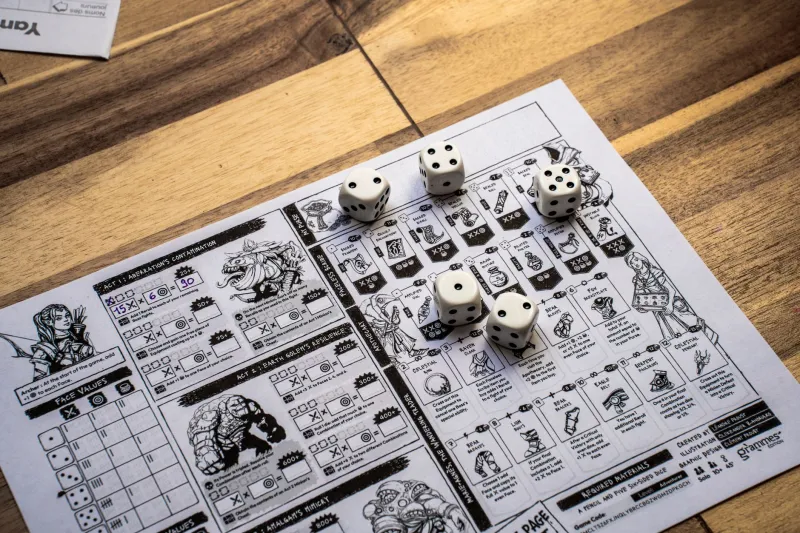
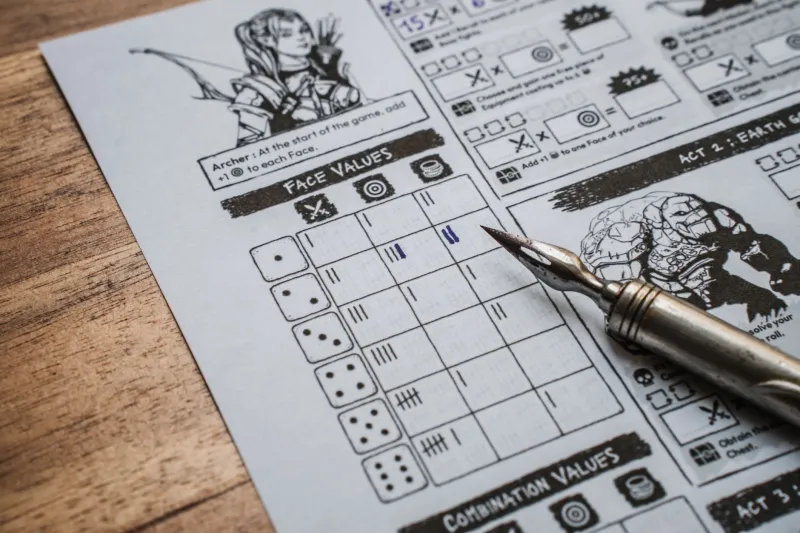
| Characters | Pencils + printer paper | $2 |
| Minis | Bottle caps, gummy bears, dry beans | $0 |
| Adventure | Homebrew or free one-shots | $0 |
Total: somewhere between $2 and $5. That's less than a combo meal, and unlike the combo meal, it delivers dozens of hours of entertainment.
Free and Cheap Systems That Punch Way Above Their Price
You do not need the big flagship systems to have a great time. Some of the best games in the hobby are free or under $10:
- Knave 2e — a rules-light fantasy system you can learn in ten minutes
- Cairn — free, elegant, and perfect for eerie exploration campaigns
- Mothership — sci-fi horror with a free starter ruleset that's genuinely excellent
- Mausritter — adventure as tiny mice, with a free full rules PDF
- Fate Condensed — pay-what-you-want and flexible enough to run any genre
The Old School Renaissance (OSR) scene in particular has embraced free content as a feature, not a bug. Whole communities exist around sharing adventures, zines, and supplements that cost nothing.
Dice: The Cheapest Rabbit Hole to Avoid
Dice are the gateway collectible of this hobby. One set becomes seven sets becomes a shame drawer. Resist. A single $3 set from any game store covers everything you need, and free dice roller apps work fine for online play. If you want to feel fancy, write numbers on a d6 or use a random number generator — nobody at the table will care, and if they do, that's a them problem.
Minis Without the Mortgage
Painted miniatures are gorgeous. They are also a hobby within a hobby, complete with its own expense curve. You have better options:
- Print-and-play paper minis: free PDFs abound, and a folded cardstock stand costs pennies
- Household objects: bottle caps, chess pieces, LEGO minifigs, coins
- Snacks: gummy bears as goblins is a classic for a reason — defeated enemies get eaten
- Tokens on a dry-erase battlemap: draw circles, assign numbers, done
The table doesn't see your minis. It sees the story you're telling together.
Virtual Tabletops for Exactly $0
If your group is scattered across time zones — or, let's be honest, across three different suburbs — a virtual tabletop keeps costs at zero:
- Roll20 — free tier handles most campaigns comfortably
- Owlbear Rodeo — lightweight, browser-based, no account required to start
- Foundry VTT — a one-time ~$50 purchase, but only one person needs to buy it and host
Pair any of these with free Discord voice chat and you've got a full online game night for the price of your existing internet bill.
Where Spending Money Actually Helps
To be clear, this isn't an argument that money is always wasted. A few purchases genuinely improve the experience:
- A physical core book for a system you play weekly — screens get cracked phones, not paperbacks
- A GM screen — $15 and worth it for the reference charts alone
- One nice set of dice — because a little joy at the table is worth something
Notice what's not on that list: miniatures, terrain, dice trays, leather-bound everything. Start there in year three if you're hooked.
Your First Session, On the Cheap
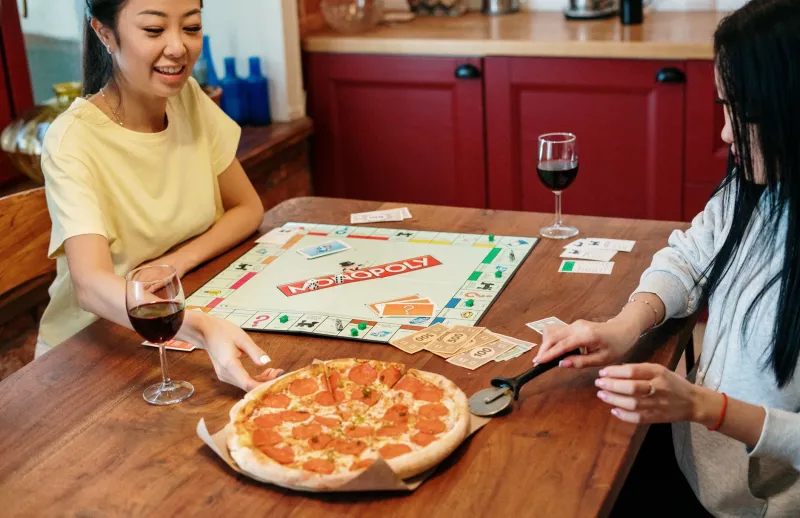
Here's your action plan. Pick a free system — Cairn is a great starting point for total newcomers. Download the PDF tonight. Grab five friends, a bag of beans, and a pizza (the one unavoidable table expense, and worth every penny). Run a one-shot.
If it goes well, congratulations: you've started a hobby for under five bucks. If it goes poorly, you've got a funny story and a bag of leftover beans. Either way, you win.
The community at Lira RPG has always believed the best campaigns are built at kitchen tables, not checkout counters. Got a budget hack of your own? Drop it in the comments — the next broke GM thanks you.