Your Players Burned the Module. Now What? A GM's Field Guide to Pivoting Published Adventures
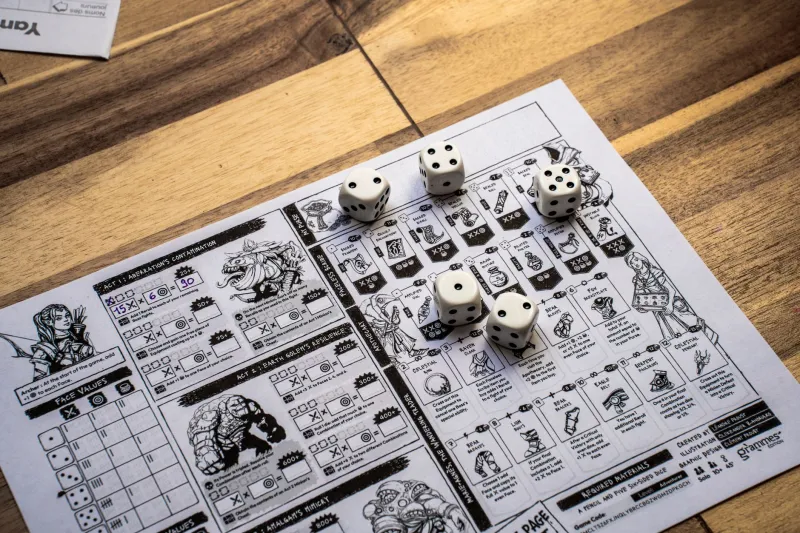
Every game master who has ever cracked open a prewritten adventure knows the specific sound of a module falling apart. It's the moment your players, faced with a mysterious locked door the author clearly intended them to spend three sessions on, decide instead to set the building on fire and question the mayor.
Take a breath. The module isn't dead. Published adventures are sturdier than they look, mostly because the good ones are built from modular parts you can rearrange while the players aren't watching. Here's the process, learned the hard way.
First, Figure Out What Actually Broke
Modules don't usually collapse all at once. They break at predictable seams, and identifying which seam snapped tells you what kind of repair you need.
The hook didn't take. The adventure assumed the players would care about the missing caravan, and they... don't. This is the most common failure and the easiest fix. The hook was never load-bearing — it was just the front door. Build a new one that connects to something your party has already demonstrated they care about. Did your ranger spend an hour bonding with a stable hand? Congratulations, the caravan's horses belonged to the stable hand's family. Same adventure, new emotional stakes.
The party skipped the dungeon. They went over the mountain instead of through it, and now they're two chapters ahead with none of the loot, XP, or information the story needed them to have. Don't panic and don't block them. Let them arrive early — and discover that the villain's plan is further along because the dungeon's guardian was never dealt with. Consequences are your friend. The skipped content becomes the world's memory of what they didn't do.
They adopted the villain. Someone rolled a natural 20 on Persuasion and now the big bad is their weird uncle. This is a gift wearing a disguise. That villain knows everything about the plot. Use them as an unreliable narrator who feeds the party the module's exposition — inaccurately, and with an agenda.
Improv Techniques That Cover the Holes
Once you know the break point, a few reliable tricks will patch it at the table.
Answer questions with questions. When players poke at a plot hole — "wait, who was paying the guards?" — don't invent an answer on the spot that you'll have to remember forever. Turn it around: "You could find out. The guard captain owes you a favor." Offloading invention onto the fiction buys you time and makes players feel clever.
Keep a running list of proper nouns. Every name you improvise, write it down. The single biggest tell that a game is off-script is when the innkeeper from three sessions ago has a different name. Consistency is 80% of feeling prepared.
The NPC recycle. That detailed module NPC the party murdered or ignored? Change the name, change the accent, reintroduce them two sessions later in a different role. Module writers spend way more words on these characters than you think. Harvest ruthlessly.
Say yes, then complicate. When players derail toward something you can't plan for, let them succeed at the immediate goal — then attach a cost or a complication. "Yes, you track down the smuggler. He's terrified, because the people he's been smuggling for just noticed you asking questions." Forward motion plus new hook. This is the engine that drives basically every good actual-play podcast you've ever heard.
Re-Skinning: The GM's Greatest Money-Saver
Here's the trade secret of veteran game masters: players can't read your module. They don't know that the haunted lighthouse was supposed to be a haunted mine. If your party skipped the swamp chapter because they hate swamps, that chapter's encounters, secrets, and boss can wear new clothes and appear wherever the party actually went.
The mechanics of re-skinning are simple. Take the stat blocks and structure from the abandoned section, change the dressing — swap the cult of the drowning god for a cartel running the river trade, swap the undead for hired muscle with an eerie discipline — and drop it into the players' path. Keep the difficulty curve and the treasure intact. Nobody at the table will ever know the haunted manor they're exploring was originally a crypt, and the crypt was originally a wizard's tower.
This works in the other direction too. If your players are steamrolling the module's fights, re-skin a later boss's abilities onto an earlier enemy. The published difficulty was calibrated for a hypothetical party. Yours is the real one. Adjust accordingly.
The Line Between Flexible and Railroady
A quick gut check: railroading isn't when the story bends back toward the module. It's when player choices stop mattering. If the party detours to a fishing village and you re-skin the abandoned chapter into that village, their choice mattered — it changed where, how, and with whom the story happens. If they detour and you narrate "somehow, you end up back at the manor," you've stolen something from them.
The test I use: does the content come to the players, or are the players dragged to the content? Always the former. The module is a warehouse of parts, not a track.
Keep a Session-End Debrief
Five minutes after each session, ask two questions: what did you enjoy, and what are you hoping happens next? The second question is your early warning system. Players telegraph their derailments weeks in advance if you listen. If everyone's excited about the mysterious merchant you improvised, you know where to steer next chapter — or what to re-skin into it.
Published adventures are scaffolding, not scripture. The authors built them to be bent, and your players' chaos is just very enthusiastic structural feedback. Roll with it. That's kind of our whole thing here.