Dice Jail, Dice Training, and Other Rituals We Swear By
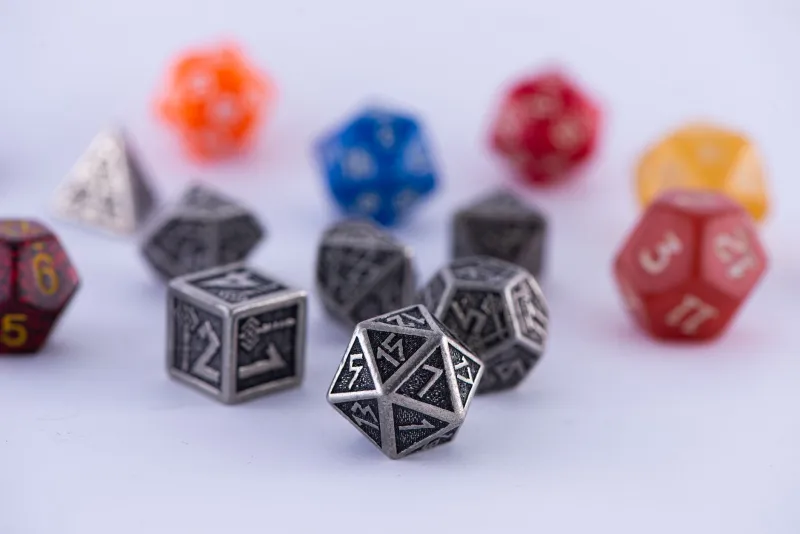
Somewhere in America right now, a d20 is sitting in a cup, alone, being punished for a night of failed perception checks. It did nothing wrong, technically. Dice don't have intentions. But every one of us has sentenced one to dice jail anyway, and honestly? That's beautiful.
At Lira RPG, we've heard enough table stories to know that superstition isn't a bug in the hobby — it's one of its best features. So let's talk about the weird little rituals we all perform, why we do them, and what they actually accomplish.
The Taxonomy of Table Superstitions
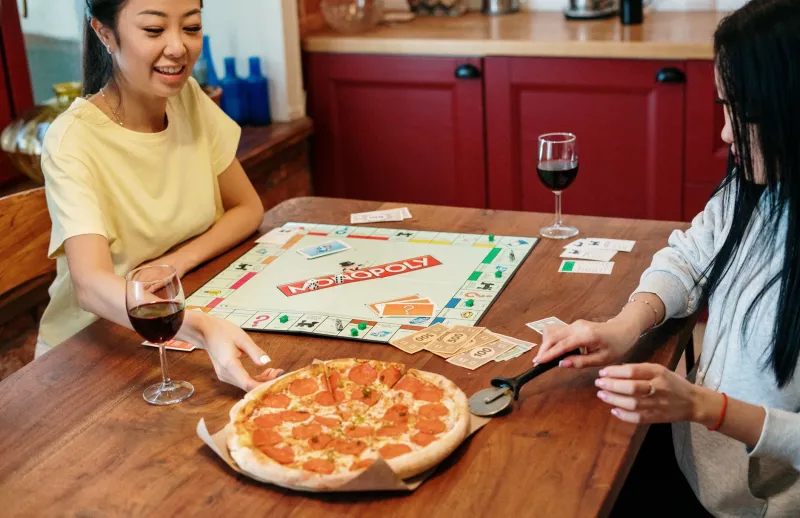
After years of convention floors, Discord servers, and flimsy pizza-box game nights, we've sorted dice behavior into a few recognizable archetypes:
The Trainer. This player "primes" a new die by rolling it dozens of times before the session, keeping only the results they like. A d20 that rolls three natural 20s in a row gets promoted to the "crit cup." One that whiffs gets benched. Does this affect future probability? Absolutely not. Does it feel like it does? Enormously.
The Warden. Dice jail is real, and the Warden administers it without mercy. Roll three ones in a session? Straight to the cup. The logic is part punishment, part rotation — a superstitious shuffle that treats bad luck like a solvable personnel problem.
The Evangelist. When someone else at the table is on a hot streak, the Evangelist demands to touch their dice, rubs them for luck, or asks them to roll on their behalf. Luck as a contagious resource. (This one doubles as a surprisingly effective way to make friends at a new table.)
The Purist. Only rolls their own dice, on their own mat, after tapping twice. Woe to the player who picks up the wrong d20 by accident.
Most of us are a blend of two or three of these, depending on the stakes. Nobody's casual about a death save.
A Light Dip Into Why Our Brains Do This
Psychologists have a term for this: the illusion of control. When outcomes are genuinely random, our brains hate it. We're pattern-seeking creatures, and pure chance gives us nothing to grab onto — so we build handles. Rituals are those handles.
Here's the fun part, though: the research on superstition suggests rituals can genuinely help, just not the way we think. Studies on athletes and performance have found that superstitious routines can reduce anxiety and boost confidence. A golfer with a lucky tee ritual isn't influencing the ball; they're calming themselves. The ritual works on the person, not the physics.
Translate that to the table: rubbing your crit cup before a boss fight doesn't bend probability, but it might settle your nerves on that last hit die of health. And a relaxed player makes bolder, more fun choices. So in a roundabout way, the dice training kind of works. Just on you.
The Ritual Is the Community
There's a second layer here that matters even more. Shared superstitions are inside jokes with rules, and inside jokes are how tables become groups.
Think about it: the first time a new player witnesses dice jail, they ask what's going on. Someone explains. Everyone laughs. Ten minutes later the newcomer is nominating a d12 for solitary confinement. That's an onboarding ritual as effective as any session zero icebreaker.
These habits also mark the table as a space apart. The same reason you knock wood or blow on dice before a Vegas craps roll — rituals signal that this matters. When your whole table treats a natural 1 like a small tragedy and a natural 20 like a birth, you're collectively agreeing that the game deserves emotional weight. That agreement is the whole engine of tabletop RPGs.
And the traditions compound. Some groups pass a "cursed" die to whoever just fumbled. Others make the whole table roll a d20 to cleanse a player's streak — a group exorcism that gets everyone leaning in on a meaningless roll. Meaningless! Except it isn't, because everyone's watching, and everyone's rooting.
Confession Time
Full disclosure from the Lira RPG staff: our senior editor owns a metal d20 that has never, ever been rolled for anything important, because it rolled a 1 during its inaugural session in 2019 and has been on administrative leave ever since. We stand by this.
The point of all this isn't to be rational about dice. Nobody needs to be rational about dice. The point is that these goofy habits are some of the stickiest, warmest parts of the hobby — the stuff you remember years later, long after you've forgotten the actual initiative order.
So tell us: what's your ritual? Dice jail or dice amnesty? Crit cup or cursed bag? Do you tap twice or knock on wood? Drop your strangest table superstition in the community forums — the weirdest one gets featured in a future Community Spotlight, and yes, we'll be testing its luck ourselves.
Roll well out there. Or don't — that's what the timeout cup is for.